If you have read Patanjali’s Yoga Sutras, you would probably know how they have shaped the foundation for several yogis. Also called Ashtanga Yoga in certain quarters, the eight limbs have attained universal popularity. Even in modern times, they assume huge importance. Yoga is a 5,000-year-old ancient science that finds its foundation in these verses. So, if you want to learn true yoga, then it starts from here. When you enroll yourself for the Yoga TTC in Rishikesh, you learn about the same in complete detail.
For now, let us take you through the purpose, practice and pose categories in a simplified way.
Purpose Of Patanjali’s Eight Limbs According To Yoga TTC In Rishikesh
The two main reasons why every yoga student must study the eight limbs are for self-awareness and self-transformation. You will study the personal and social ethics, which include Yama and Niyama. These have the power to change you and your yoga practice.
The Yamas, which point towards your behaviour towards society, include:
- Ahimsa – It is the attitude of compassion and non-violence towards any living being.
- Satya – It is about truthfulness.
- Asteya – It means honesty in all sorts of dealings.
- Brahmacharya – It is about practicing celibacy.
- Aparigraha – Non-possessiveness towards materialistic as well as non-materialistic objects is the key lesson here.
Niyamas are personal ethics. And they include:
- Shoucha – It is about the observance of cleanliness.
- Santosha – Contentment in what you already have, is the key lesson here.
- Tapas – It is self- discipline, an important characteristic of all yogis.
- Swadhyaya – It is self-study. A yoga student is a lifelong student, as learning never stops.
- Ishvarapranidhana – Your ultimate surrender to the divine, marks the culmination of the Sadhana.
The 100 hour kundalini yoga teacher training in Rishikesh also covers the above lessons.
Applying The Eight Limbs Of Yoga In Practice
You will also be able to absorb the methods of application through the yoga TTC in Rishikesh. If you are not inclined to surrender to the divine and lead a worldly life after completing it, you can still apply the principles.
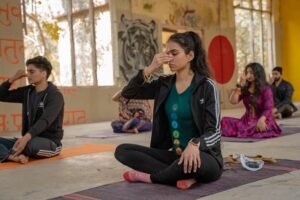
- When you wake up in the morning, engage in Pranayama at the very first instance. You can try Nadi Shodhana, which happens to be one of the simplest breathworks.
- Start writing down whatever crosses your mind. Also called journaling, it is about focusing your mind and energy. Create an intent for each day. This is Dharana.
- Eat mindfully. This is in observance of Niyamas. Additionally, you must observe cleanliness in your daily activities. Get balanced nourishment.
- Pratyahara is another limb, which points towards the withdrawal of the senses. You should spend a lot of time outdoors, amidst nature.
- Evening meditation is Dhyana. You must engage in this practice to refresh after a hectic day.
Asanas Or Poses Mentioned As The Third Limb
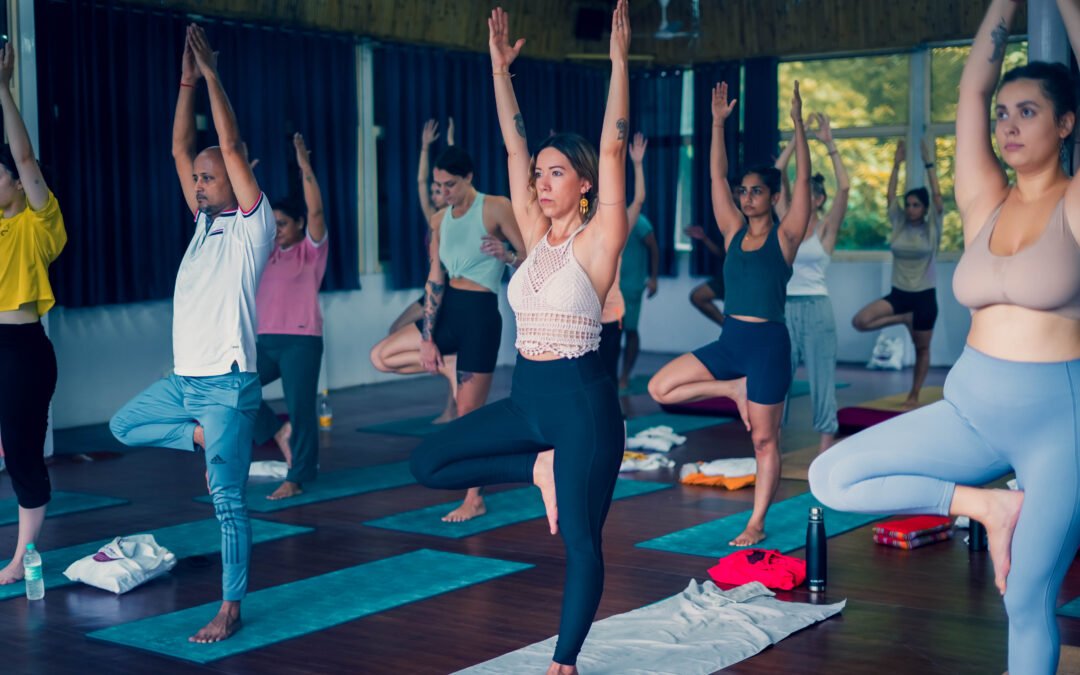
According to Sage Patanjali, the pose must be a steady one. You must get into the pose in a relaxed manner. The poses that were initially mentioned in the Sutras are:
- Padmasana
- Virasana
- Bhadrasana
- Swastikasana
- Dandasana
- Savasana
- Sopāśraya
- Paryanka
- Krauñca-nisadana
- Hasti-nisadana
- Ustra-nisadana
These are 11 poses that were initially there. However, today we practice much more. Lord Shiva is believed to have chosen 84 asanas to teach mortals, as mentioned in the Hatha Yoga Pradipika, as well. However, in reality, there are more than 84 lac asanas.
Asanas are also considered a part of Tapas. It is a way of removing excitement. You can practice sattva as a process. When you practice asana, you can reach higher states of consciousness. However, these are just the tools, not the goal. To learn about the ultimate goal, you must consider joining the detailed courses on and above the 100 hour kundalini yoga teacher training in Rishikesh.